

Prescription Retinoid Skin Programme (Tretinoin)


Prescription tretinoin is one of the most effective treatments for acne, pigmentation, uneven texture, and visible signs of ageing but only when it’s used correctly.
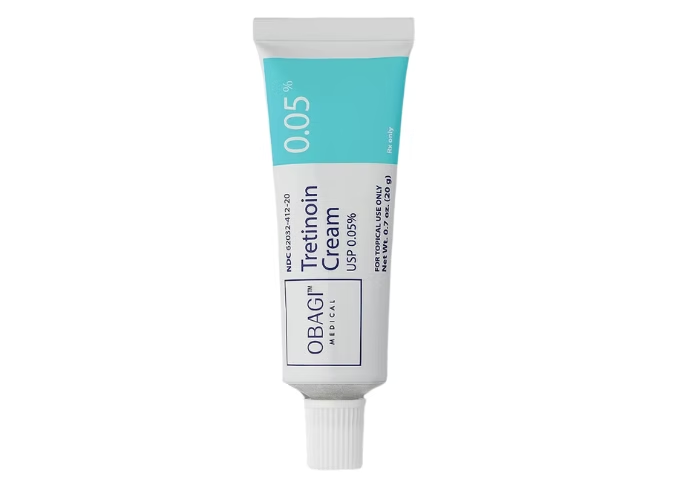
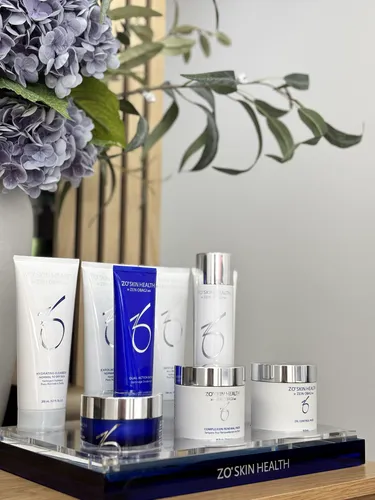
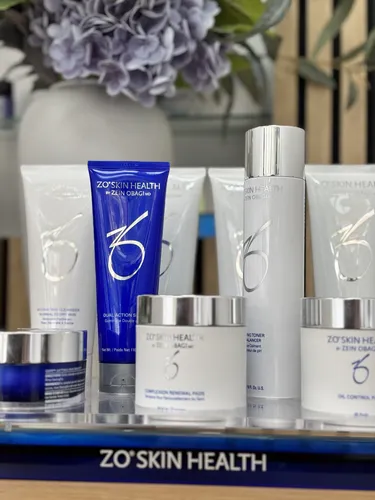
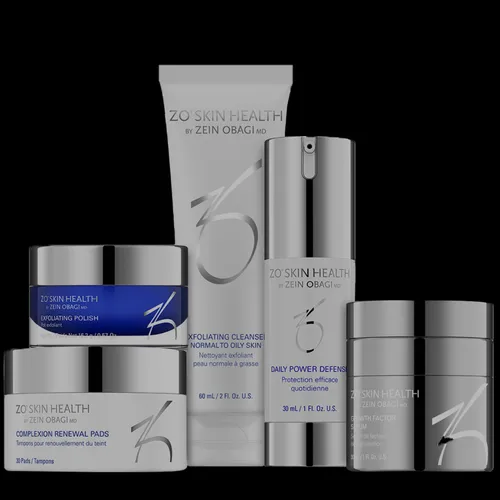
At Hampstead Aesthetics, we prescribe Obagi Rx Tretinoin as part of a doctor-led skin programme, supported by ZO Skin Health products to protect your skin barrier, reduce irritation, and maximise long-term results.
⭐⭐⭐⭐⭐ 4.8 / 5
202 Google reviews
GMC
Registered Doctor
MRCS
Royal College of Surgeons
Every treatment
ABOUT TRETINOIN
Why Tretinoin Should Be Prescribed, Not Just Purchased
Tretinoin is powerful, and that power is exactly why so many people give up on it too early.
Starting at the wrong strength, applying it too often, or pairing it with the wrong products can cause excessive irritation, peeling, breakouts or rebound pigmentation, sending people back to shelf skincare instead of persevering with something that actually works.
Your consultation solves this before it happens:
• The correct tretinoin strength for your skin
• A safe, structured introduction schedule
• The right ZO Skin Health routine to support tolerance
• Ongoing adjustments as your skin changes
SKINCARE SOLUTIONS
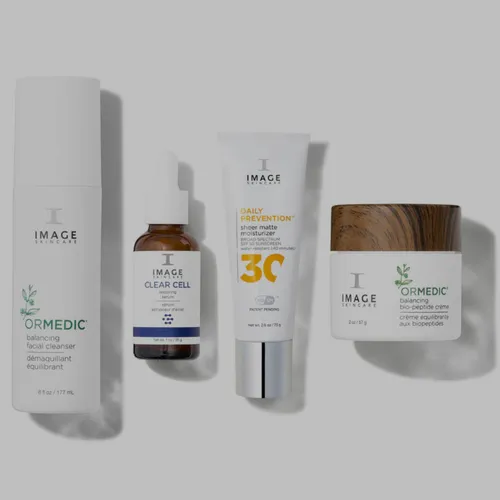
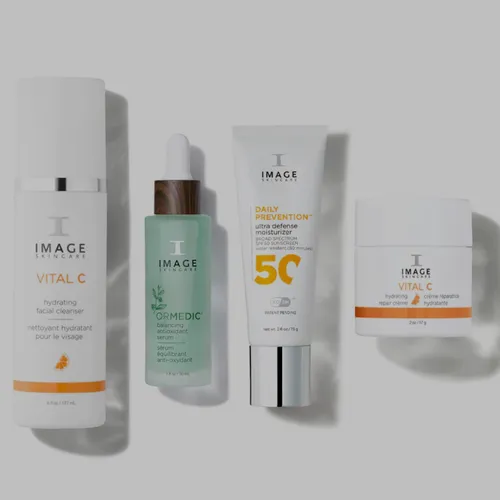
Medical Grade Skincare Solutions
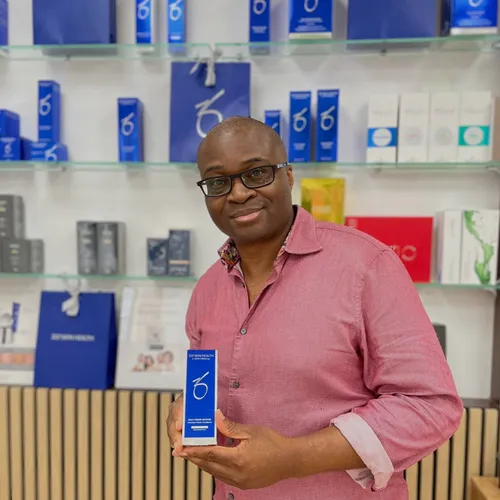

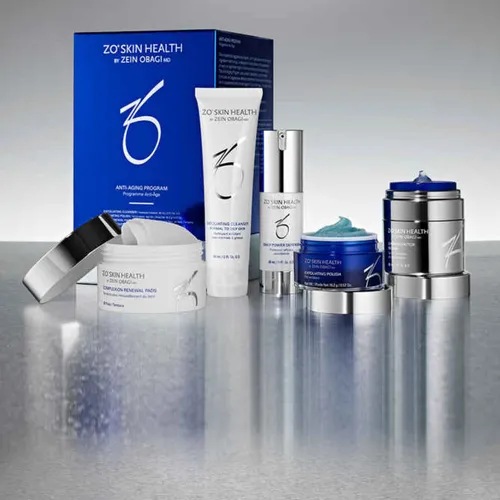

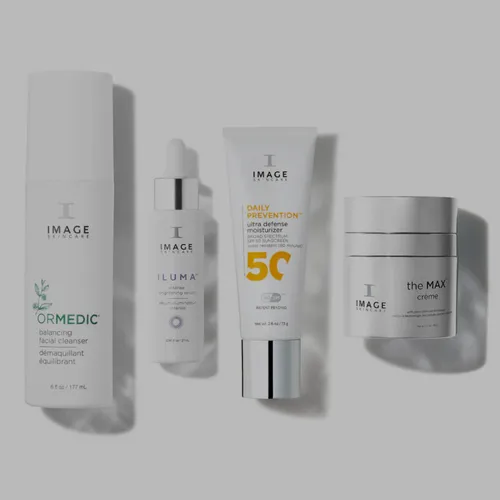
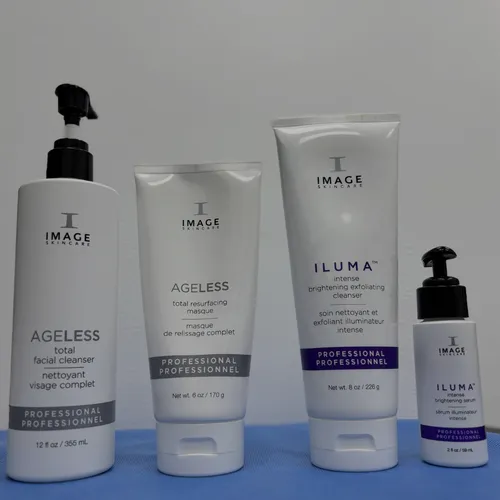
PRESCRIPTION PRODUCTS
How prescription tretinoin is provided
Tretinoin is a prescription-only medication and is not supplied without a clinical consultation.
During your appointment, we assess your skin, tolerance, and treatment goals before selecting the most appropriate tretinoin strength and schedule. If suitable, the prescription is then issued as part of your personalised skin programme.
This ensures tretinoin is used safely, effectively, and with the correct supporting skincare to minimise irritation and maximise long-term results.
HOW IT WORKS
How Tretinoin Works: The Science of Prescription Retinoids
Tretinoin is all-trans retinoic acid, the active form of vitamin A. Unlike over-the-counter retinol, which the skin has to convert into retinoic acid through several enzymatic steps before it can work, tretinoin arrives already active. That is the main reason it needs a prescription, and why it produces more noticeable change than retinol in a comparable timeframe.
Once applied, tretinoin binds to retinoic acid receptors inside skin cells. This changes gene expression in a way that speeds up cell turnover, helping the skin shed dead surface cells and clear the material that blocks pores. That is the basis of its effect on acne and comedones.
Tretinoin also acts on the deeper, dermal layer of skin. It stimulates fibroblasts to produce more type I and type III collagen, and reduces the activity of enzymes called matrix metalloproteinases that break collagen down. Over months of consistent use, this is what improves fine lines, roughness and overall skin texture.
For pigmentation, tretinoin disrupts the way pigment clusters within skin cells and helps the skin turn over pigmented cells faster, which is why it is used for post-acne marks and uneven tone alongside targeted pigment treatments.
Because tretinoin is pharmacologically active rather than a precursor, the strength, frequency and combination with barrier-support skincare all affect how well a patient tolerates it. This is the clinical reasoning behind prescribing and reviewing it as a supervised programme rather than a one-off product sale.
Who this prescription retinoid programme is for
| Usually suitable if you… | We’ll be cautious or recommend alternatives if you… |
|---|---|
| Have acne or breakouts that haven’t responded to over-the-counter skincare | Are pregnant, breastfeeding, or trying to conceive |
| Struggle with uneven skin tone, pigmentation, or post-acne marks | Have active eczema, dermatitis, or a severely compromised skin barrier |
| Want long-term improvement in texture, pores, and early signs of ageing | Are new to vitamin A products and want the strongest option immediately |
| Have previously tried retinoids but stopped due to irritation | Want rapid results without medical guidance or follow-up |
| Are happy to follow a structured plan and build tolerance gradually | Are unwilling to use daily SPF consistently |
Which tretinoin strength is right for you?
| Strength | Usually prescribed for | Clinical notes |
|---|---|---|
| 0.025% | First-time prescription retinoid users, sensitive or reactive skin | Lowest irritation risk and best starting point for most patients |
| 0.05% | Acne, pigmentation, texture concerns once tolerance is established | Balanced strength — effective without rushing the skin |
| 0.1% | Experienced retinoid users with proven tolerance | Maximum prescription strength — higher irritation risk if misused |
SKINCARE BENEFITS
Benefits of Medical-Grade Skincare
Medical-Grade Skincare offers superior results due to its high concentrations of active ingredients and advanced formulations. Here’s how it benefits your skin:
- Targeted Treatment:
Medical-grade products are formulated to address specific skin concerns like acne, aging, and pigmentation, with ingredients that penetrate deeper layers of the skin for more effective results.
- Visible and Long-Lasting Results:
With consistent use, these products deliver noticeable improvements, such as smoother texture, reduced fine lines, and clearer, more even skin tone.
- Higher Quality Ingredients:
Unlike over-the-counter products, medical-grade skincare uses highly stabilized, potent ingredients that are carefully tested for safety and efficacy.
- Professional Guidance:
These products are often recommended by dermatologists or aestheticians, ensuring that treatments are customized to your individual skin needs, maximizing the effectiveness of your skincare routine.

How ZO Skin Health supports tretinoin (AM & PM routine)
| Step | Morning (AM) | Evening (PM) | Why this matters with tretinoin |
|---|---|---|---|
| Cleanse | ZO Gentle Cleanser or Hydrating Cleanser | Same cleanser, used gently | Preserves the skin barrier and reduces irritation — harsh cleansing is a common cause of tretinoin intolerance |
| Prep (Getting Skin Ready®) | Light exfoliation strategy (case dependent) | Often paused on tretinoin nights | ZO’s preparation phase improves product performance without over-stimulating the skin |
| Correct | Pigment control, calming or antioxidant support (as prescribed) | Barrier-support products on non-tretinoin nights | Reduces inflammation and pigmentation risk while on active retinoids |
| Tretinoin | — | Applied only on scheduled nights | This is the prescription driver of change — frequency and tolerance matter more than strength |
| Moisturise | Barrier-support moisturiser | Barrier-support moisturiser | Comfort = consistency. Well-supported skin tolerates tretinoin long-term |
| Protect | Broad-spectrum SPF (mandatory) | — | Retinoids increase sun sensitivity — daily SPF is non-negotiable |
What to expect from tretinoin (realistic timeline)
| Timeframe | What’s happening in the skin | What we focus on clinically |
|---|---|---|
| Weeks 1–2 | Early adjustment phase. Mild dryness, tightness, or flaking can occur as cell turnover increases. | Correct application amount, reduced frequency, barrier protection, and avoiding over-exfoliation. |
| Weeks 3–4 | Skin begins adapting. Some patients notice breakouts surfacing if congestion was present. | Distinguishing irritation from purging, adjusting frequency if needed, maintaining comfort. |
| Weeks 5–8 | Texture starts to feel smoother. Breakouts may become less frequent. Tone begins to look more even. | Consistency over intensity, reviewing whether the current strength remains appropriate. |
| Weeks 9–12 | More visible improvement in clarity, pores, pigmentation, and early fine lines. | Deciding whether to maintain, increase frequency, or consider a strength change — only if the skin is stable. |
WHAT DOES IT TREAT?
Conditions commonly treated with prescription skincare
Prescription retinoids such as tretinoin are used as part of structured skin programmes for specific conditions, where medical-grade skincare can make a long-term difference.
• Acne and persistent breakouts
• Pigmentation and uneven skin tone
• Post-acne marks
• Rough skin texture and enlarged pores
• Early signs of skin ageing
TRUSTED BRANDS
Clinically validated products we use
We work exclusively with clinically validated, CE-marked brands across every treatment we offer, from Skincare to dermal fillers, biostimulators and skin boosters. Every product is sourced from authorised UK distributors, so you get predictable outcomes, genuine ingredients and full regulatory traceability on everything that touches your skin.


WHO IS YOUR PRACTITIONER
Medical Governance & Practitioner Verification

Dr Chike Emeagi - GMC Registration No. 4418489
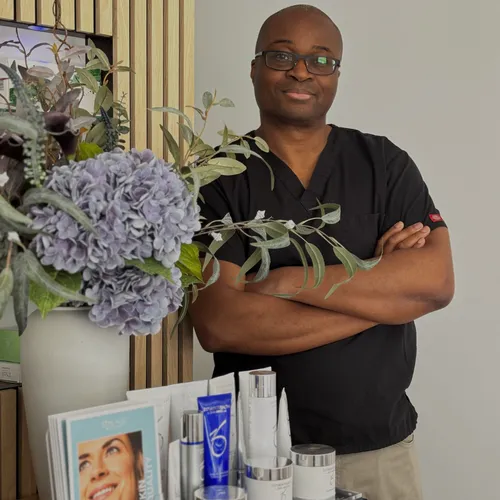
Tretinoin is prescribed at Hampstead Aesthetics by Dr Chike Emeagi, an independent prescriber and fully registered doctor.
MRCS — Member of the Royal College of Surgeons of Edinburgh
MRCGP — Member of the Royal College of General Practitioners
MSc Aesthetic Medicine — postgraduate master's degree in aesthetic clinical practice
GMC licensed — full licence to practise, verifiable on the public medical register
You are encouraged to verify Dr Chike’s registration yourself on the GMC’s public medical register before booking. Any doctor practising without a valid GMC licence is doing so illegally.
DOCTOR-LED CLINIC
Why Doctor Led Matters
This treatment involves a Prescription Only Medicine. Under UK law it cannot be supplied without a prescription from an independent prescriber who has personally assessed you, verified your identity and reviewed your medical history and current medications. Dr Chike prescribes and administers himself, so the person making the clinical decision is the person in the room with you.
Tretinoin is a Prescription Only Medicine and a known teratogen — it must not be used in pregnancy, and anyone who could become pregnant needs that discussed properly before the first tube is dispensed. Strength, vehicle and frequency also have to be matched to your skin and stepped up over time; the retinoid reaction that makes most people abandon treatment in week three is almost always a prescribing and instruction failure rather than an intolerance.
Emergency Safety Protocols
Prescribing safely means being able to manage what you prescribe:
- Anaphylaxis kit and full adrenaline protocol held on site and in date
- Prescribing records — every vial is logged against your notes with batch and expiry
- ACE Group certified — Dr Chike holds emergency complication management certification
- Direct same-day contact — you leave with a number that reaches the clinic, and you are seen within hours if something changes
- Written 999 escalation procedure for emergency transfer to hospital
- Full medical indemnity covering every treatment performed at this clinic
- Pregnancy counselling documented before the first prescription is issued
- Scheduled review built into the programme rather than a repeat prescription on request
Consent, Privacy & Your Rights
Your consultation covers your skin assessment, medical history, pregnancy plans and contraception, current skincare and any photosensitising medicines. You will be given written instructions on how to start, how to build up, what the first six weeks will realistically look like, and mandatory daily SPF. You will be reviewed rather than left with a prescription and no follow-up.
If you have a concern about your treatment, raise it directly with Dr Chike first. Most things are resolved at the clinic within the same week. If you are not satisfied with the outcome, you may raise a concern about the doctor with the General Medical Council, which regulates every doctor practising in the UK. Suspected side effects from a prescription medicine can also be reported directly to the MHRA through the Yellow Card scheme, by you or by us.
Your clinical records are held under UK GDPR for the retention period required of medical records, stored on an access-controlled clinical system, and never sold or shared for marketing. You can request a copy at any time. If you are unhappy with how your information has been handled you can complain to the Information Commissioner’s Office.
Your consultation, your treatment and your review are carried out by the same doctor. There are no hand-offs. Reviewed August 2026. Dr Chike Emeagi — GMC No. 4418489.
FAQ's
Frequently Asked Questions
Do I need a consultation to start tretinoin?
Yes. Tretinoin is a prescription-only medication. A consultation allows us to assess your skin, choose the correct strength, and create a safe introduction schedule supported by appropriate skincare. This reduces irritation and improves long-term results.
Will tretinoin make my skin peel or purge?
Some dryness or flaking can occur in the early weeks as your skin adjusts. Breakouts may temporarily surface if congestion was already present. During your consultation, we explain what is normal, how to manage side effects, and when adjustments are needed.
How long does tretinoin take to work?
Early changes are often noticed within 6–8 weeks, with more visible improvements in texture, breakouts, and tone over 3–6 months. Long-term skin quality changes develop with consistent use over time.
Can I use tretinoin if I have sensitive skin?
Often yes, but not everyone starts at the same strength or frequency. We typically use lower strengths, reduced frequency, and barrier-support skincare to help sensitive skin tolerate tretinoin safely.
Do I need to use SPF while on tretinoin?
Yes. Daily broad-spectrum SPF is essential when using tretinoin. Retinoids increase sun sensitivity, and consistent SPF use helps prevent irritation and pigmentation issues.
What is tretinoin and how is it different from retinol?
Tretinoin is the active form of vitamin A (all-trans retinoic acid). Retinol is a precursor that the skin must convert into retinoic acid before it can work, a much less efficient process. Because tretinoin is already active, it is more potent and needs medical supervision, which is why it is prescription-only.
Why do I need a prescription for tretinoin in the UK?
Tretinoin is classed as a prescription-only medication in the UK. It is more potent than cosmetic retinol products and can cause significant irritation if used at the wrong strength or frequency, so a doctor needs to assess your skin, confirm suitability and supervise the introduction.
How does tretinoin help with acne?
Tretinoin speeds up skin cell turnover and helps clear the dead cells and debris that block pores. Fewer blocked pores means fewer new comedones and breakouts, which is why tretinoin is one of the most established treatments for acne.
How does tretinoin improve fine lines and skin texture?
Tretinoin stimulates fibroblasts in the deeper layer of skin to produce more collagen, and reduces the enzymes that break collagen down. Over months of consistent use, this supports smoother texture and softer fine lines.
Can tretinoin help with pigmentation and dark marks?
Yes, tretinoin helps disrupt pigment clusters and increases the turnover of pigmented skin cells. It is often used alongside targeted pigment treatments for post-acne marks and uneven tone.
What tretinoin strength will I start on?
Most patients start on 0.025% to reduce the risk of irritation, moving up in strength only if the skin tolerates it well and results plateau. Your consultation confirms the right starting strength for your skin.
How often should I apply tretinoin each week?
Frequency is built up gradually, often starting at two or three nights a week and increasing as tolerance improves. Going too fast is one of the most common reasons people give up on tretinoin, so this is reviewed and adjusted with you.
What is the tretinoin 'purge' or retinisation phase?
Retinisation is the adjustment period in the first few weeks, when increased cell turnover can bring congestion to the surface faster than usual, sometimes causing temporary breakouts alongside dryness or flaking. It is not a sign the product is wrong for you, but it does need managing correctly.
Can I use tretinoin with vitamin C, AHAs or BHAs?
Combining tretinoin with other active ingredients is possible but increases the risk of irritation if not spaced out correctly. We advise on which actives to use, when, and how to sequence your routine as part of your programme.
Can I use tretinoin with benzoyl peroxide?
Some formulations can be used together, others need to be applied at different times of day or on alternate nights. We confirm the right approach based on the specific products you are using.
Is tretinoin safe during pregnancy or breastfeeding?
No. Tretinoin is not used during pregnancy, while breastfeeding, or when trying to conceive. If this applies to you, we will discuss safe alternatives at your consultation.
How long can I stay on a tretinoin programme?
Tretinoin is typically used long-term once your skin has adjusted, with the strength and frequency reviewed periodically. Many patients continue at a maintenance level for ongoing skin quality and anti-ageing benefit.
What happens if I stop using tretinoin?
Tretinoin’s effects on cell turnover and collagen production are maintained through continued use. If you stop, skin gradually returns to its baseline behaviour over time, which is why it is treated as an ongoing programme rather than a short course.
Can men use prescription tretinoin?
Yes. Tretinoin is prescribed to men and women for the same range of concerns, including acne, texture and early signs of ageing. The assessment and programme are the same regardless of gender.
What's the difference between tretinoin, adapalene and tazarotene?
These are all prescription retinoids with different potency and tolerability profiles. Dr Emeagi selects the one best suited to your skin type, concern and previous retinoid experience at your consultation, rather than defaulting to one option for everyone.
Will tretinoin make my skin thinner or more fragile?
No. Tretinoin can cause temporary surface sensitivity while your skin adjusts, but the evidence shows it supports epidermal thickness and skin structure over time through increased collagen production, not thinning.
Can I have Botox or dermal fillers while using tretinoin?
Yes, tretinoin does not usually prevent you from having injectable treatments. We simply take your full skincare routine into account when planning timing around any procedure.
Do I need to stop tretinoin before laser or peels?
Often yes, tretinoin is usually paused for a short period before certain lasers, peels or more intensive procedures to reduce the risk of irritation. We confirm the exact timing for your specific treatment plan.
How much does the tretinoin programme cost?
Your consultation is £50, during which Dr Emeagi assesses your skin and confirms the exact prescription and supporting ZO Skin Health products for your plan, with full pricing given before you commit to anything.
How do I book a tretinoin consultation in London?
Book your consultation directly using the calendar on this page, or call 02031967222. We’re based in West Hampstead and see patients from across North West London.
Arrange your skin consultation
Every assessment is 30 minutes with Dr Chike who is GMC-registered. Call, message on WhatsApp, or request a consultation online. We look forward to welcoming you.